

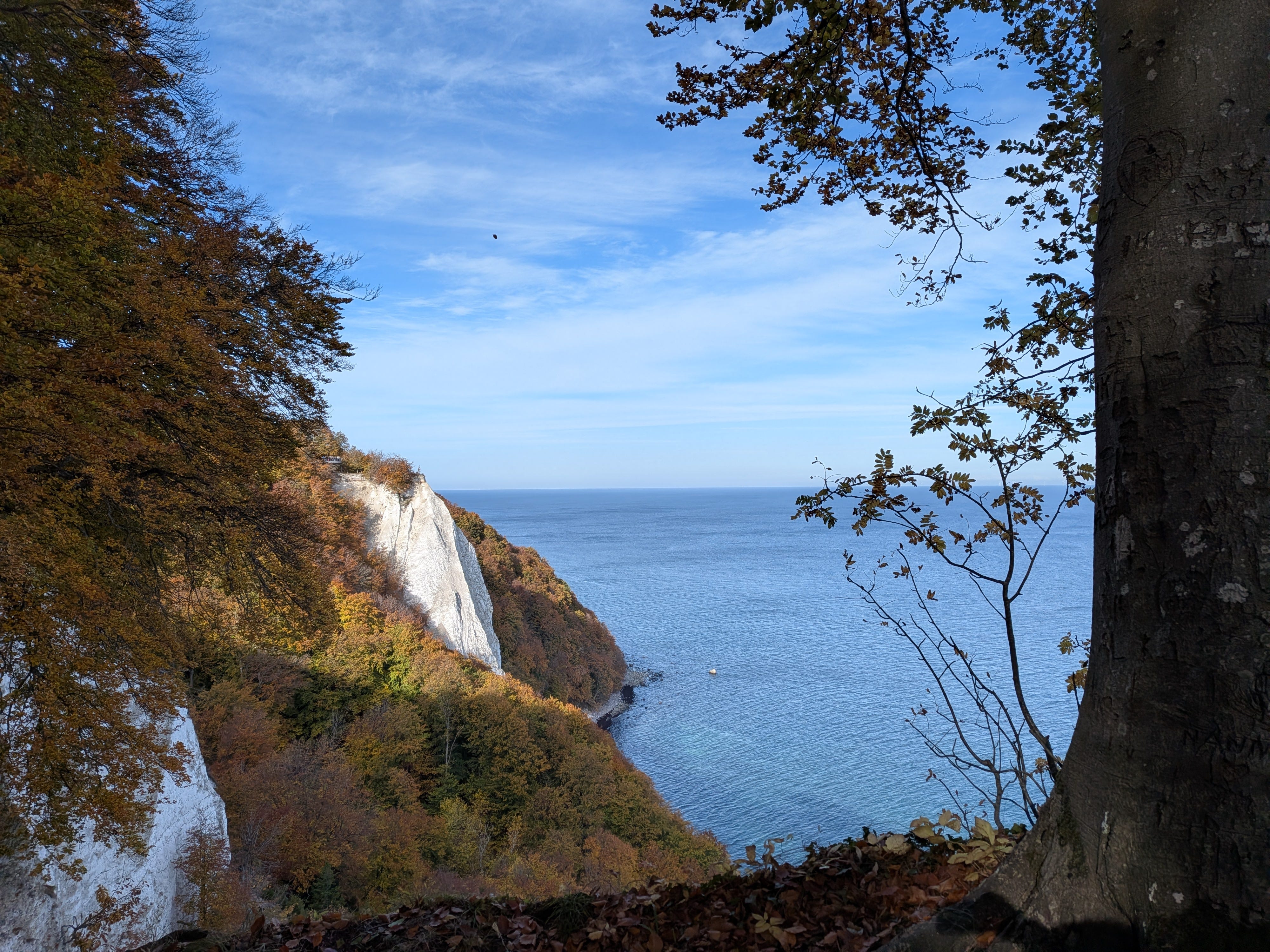
The weather can change incredibly fast on the island of Rügen. I arrived here earlier this week expecting autumnal gloom, with the forecast threatening intermittent showers building up to a violent thunderstorm. Instead, I woke to a golden sun rising above turquoise waves gently rolling in from the Baltic Sea. A few hours later, the picture changed again, and an iron sky hung over grey water.
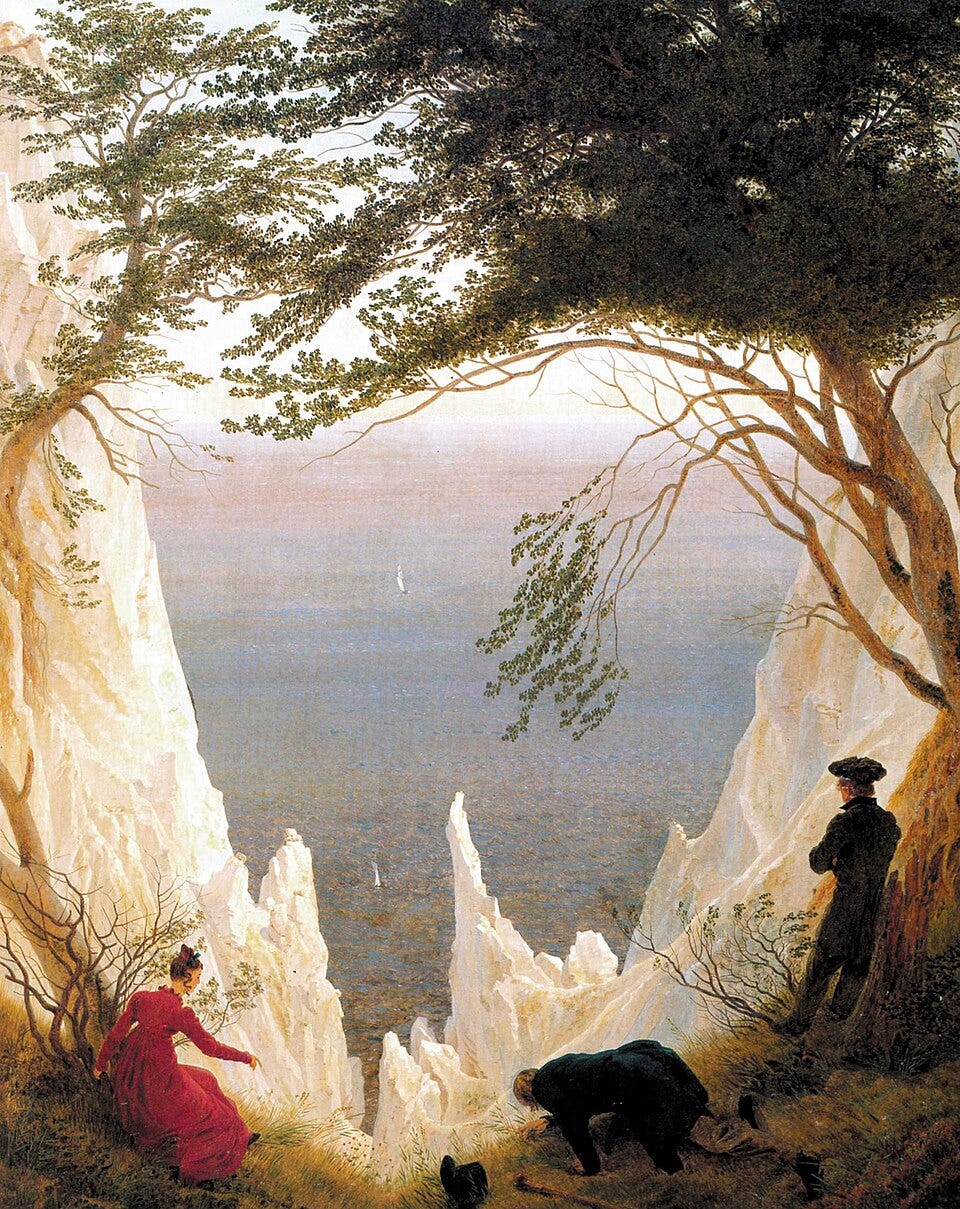
There is something wild and timeless about Rügen, and it’s not just the weather. The jagged chalk cliffs of the Jasmund peninsula in the island's northeast became a famous motif for German Romantic artist Caspar David Friedrich. There are swamps, lagoons, ancient beech forests and of course miles and miles of beautiful white sand beaches. Rügen has been a magical place for many Germans to escape to over the centuries. People have come here to paint, work and think.
I would like to come here to write, too. The idea of being the sort of author who rents a little cottage by the sea for a few months after the summer tourists leave, and lets the solitude and sea winds work their magic on focus and creativity, has a strong romantic allure. But the reality is that I’m not that kind of author. I’m a historian. I need to spend my time researching and being in places connected to my work. This is what I have come to Rügen for. To conduct research for my new book.
On my previous visits to the island and surrounding areas, I had already undertaken substantial field research. I worked in the local archives and managed to track down most of the files I was after. I spoke to historians, archivists and subject specialists about the matter. I also walked many of the sites, towns, villages and landscapes connected to it. This time, among other things, I’d arranged to meet an elderly man in a car park in the seaside village of Göhren.
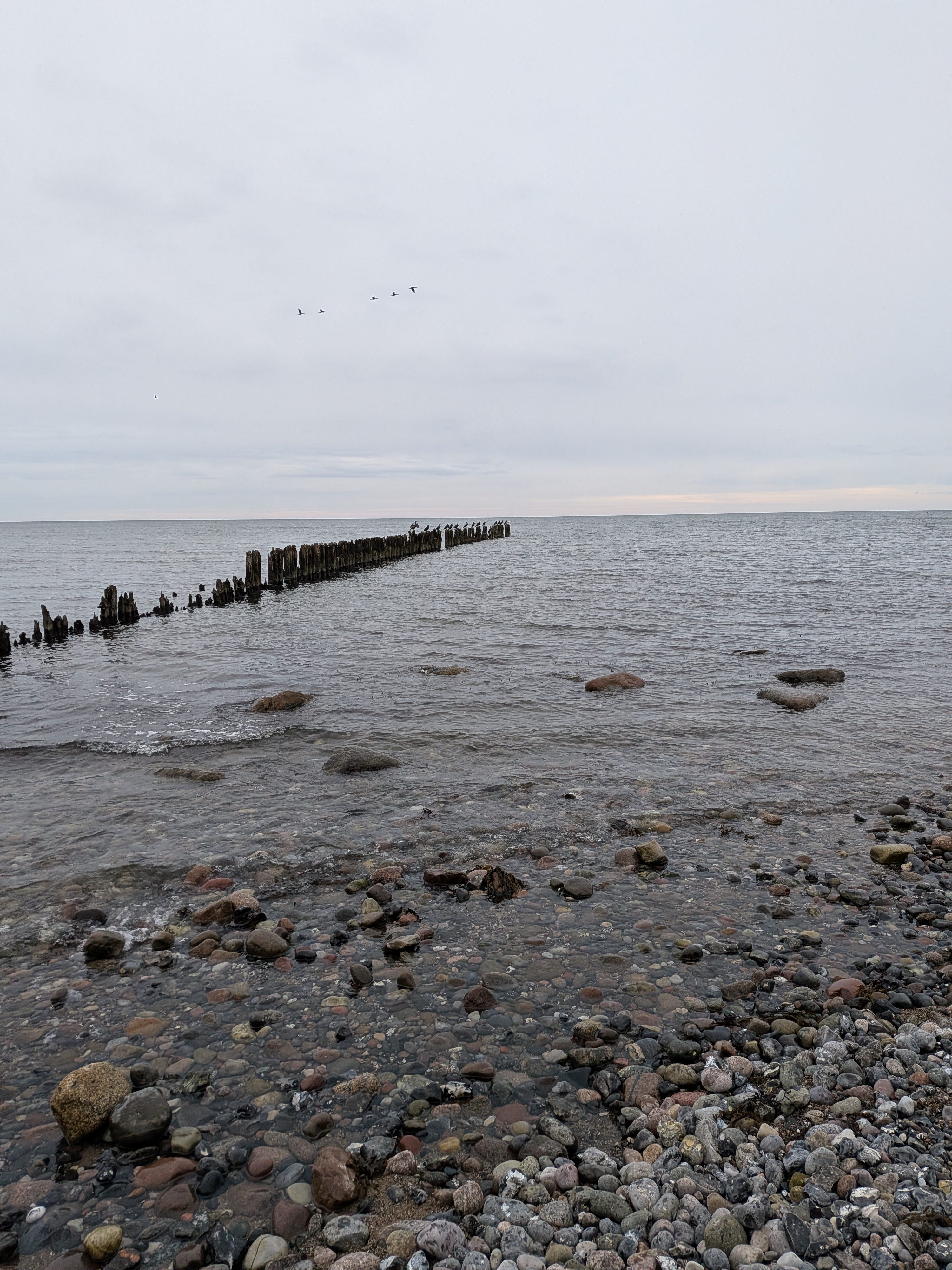
Göhren is a beautiful place, if eerily quiet off-season. It stands exposed to the elements on Rügen's steep, wooded shores, high above the Baltic Sea. Its name comes from the Slavic word “gorna”, meaning “hilly hamlet”, and that’s what it once was. Well into the 19th century, it had only a few streets, lined with a curious mix of old cottages and elegant, white-fronted villas that crisscrossed one another and hugged the rugged grooves of the landscape. Then tourism boomed, and Göhren became an elegant seaside resort.
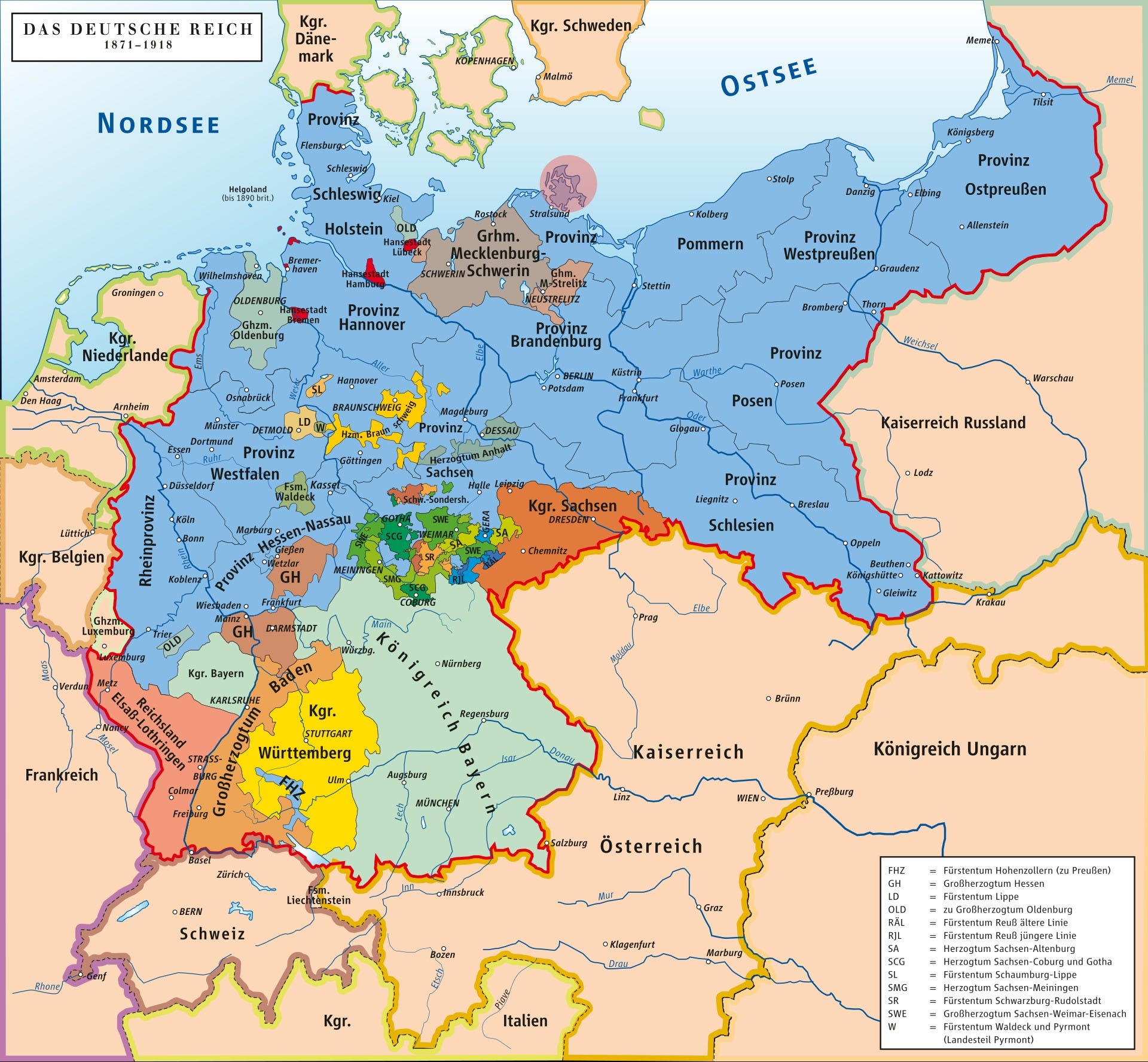
Like the rest of the island, the village fell under the Kingdom of Prussia after the Napoleonic Wars, and Prussia, in turn, became the leading state of the German Empire, founded in 1871. Ever since, Rügen has been Germany’s largest island, and many say it’s also its most beautiful. Situated off the northern coast of the Reich, it was considered wild and remote by many Germans who began to flock here to reset and get away from increasingly crowded and polluted cities.
It was around this time, in the late 19th century, that the Grabbert family moved to Göhren, where father and husband Wilhelm first worked as a general labourer and then as a forester, running his own carting business and driving timber down from the local woods just outside the village boundaries for sale.
Then, in 1901, a terrible fate befell the family, one that shook the German public to the core far beyond the island. On the outskirts of Göhren, a murder so gruesome and unimaginable took place that the villagers would speak of it for generations to come.
“This is where it happened.” The elderly man I met in the car park in Göhren yesterday pointed to the ground. We were standing in a small clearing in the woodlands on the village outskirts. It had only taken us a few minutes to walk up.
I stared at the shrubs and trees as a sharp wind whipped around my head, blowing dense drizzle into my face. I didn’t know what to say. I’d come here to get a better picture of the geography of events, yet suddenly their full human tragedy hit me. There was nothing to say, and for a while we just stood there, each alone with their thoughts.
Then the man broke the silence. “My grandmother always told us children about what happened as a warning,” he said. His grandmother was born in 1888, he told me. That was the year Germany was ruled by three Kaisers in rapid succession. This meant she was 13 years old when the murder happened. “Then, one day, I think it was in 1963, she showed us grandchildren this spot.”
We were talking about a crime that took place 125 years ago. Yet here I was, standing in a forest above the Baltic Sea with a man whose own living memory connected him to it through previous generations. But he was more than someone with a lot of living knowledge. I hoped his extensive research as a local historian could also help me uncover exactly what happened here and why.
It’s sometimes said the work of a historian isn’t unlike that of a detective. I often find that analogy a bit laboured, but in this case it comes close to the truth. It’ll be difficult to put the many pieces of this murder together over a century later, but I strongly feel that it will be worth the effort.
I first came across the crime in question while researching for my book, Blood and Iron: The Rise and Fall of the German Empire, 1871-1918. I remember reading about it in a 1901 newspaper. I felt both the case itself and what it revealed about Germany at the turn of the 20th century were utterly intriguing. It’s never let me go.
What happened was this: In the summer of 1901, the idyllic Baltic island of Rügen was shattered by the murder of two young brothers, Franz and Hermann Grabbert, the sons of the timber worker Wilhelm Grabbert. He had simply dropped them in the forest on his way home to pick some blueberries. The boys never returned home and were found dead the next morning, brutally murdered not far from the edge of the village.
Police were out of their depth. Officer Schulz, who led the first response in Göhren, was new to the job. Yet, the Prussian authorities soon thought they had solved the case by arresting the travelling carpenter Ludwig Tessnow. What followed was one of the most remarkable criminal trials in modern European history.
Although strong evidence emerged that linked Tessnow to the murders, police struggled to place him at the crime scene definitively. Leading psychiatrists also became aware of the trial and began monitoring Tessnow as the investigation ran. They were convinced that he was suffering from severe mental illness and could not be held responsible for his actions even if he had committed the crime.
The landmark trial that followed introduced the world to cutting-edge science while also presenting pioneering ideas about forensic psychiatry and the causes of crime to a sceptical jury. Newspapers from Rostock to Munich fuelled fear while experts pleaded that criminal behaviour should be understood rather than punished. The courtroom became a battleground between new approaches to rehabilitation and older demands for retribution.
Set in the tumultuous decades before the First World War, this true story of a crime offers a fascinating window into Imperial Germany. This was still a young state then, barely three decades old and grappling with the chances and challenges of modernity. As it negotiates ways to deal with an unfathomable crime, the picture that emerges is one of a confident, rapidly modernising Germany, but also one full of dangerous ideas and intense anxieties.
Watch this space for what I hope will be a gripping story in the making, one about a murder on Rügen and about crime, insanity and justice in Imperial Germany.
That’s the spirit, leave us hanging 😂😂, Rügen is on my list to visit as is Warnemünde 👍
I wonder if this influenced Haneke’s ‘The White Ribbon’ - same generation