

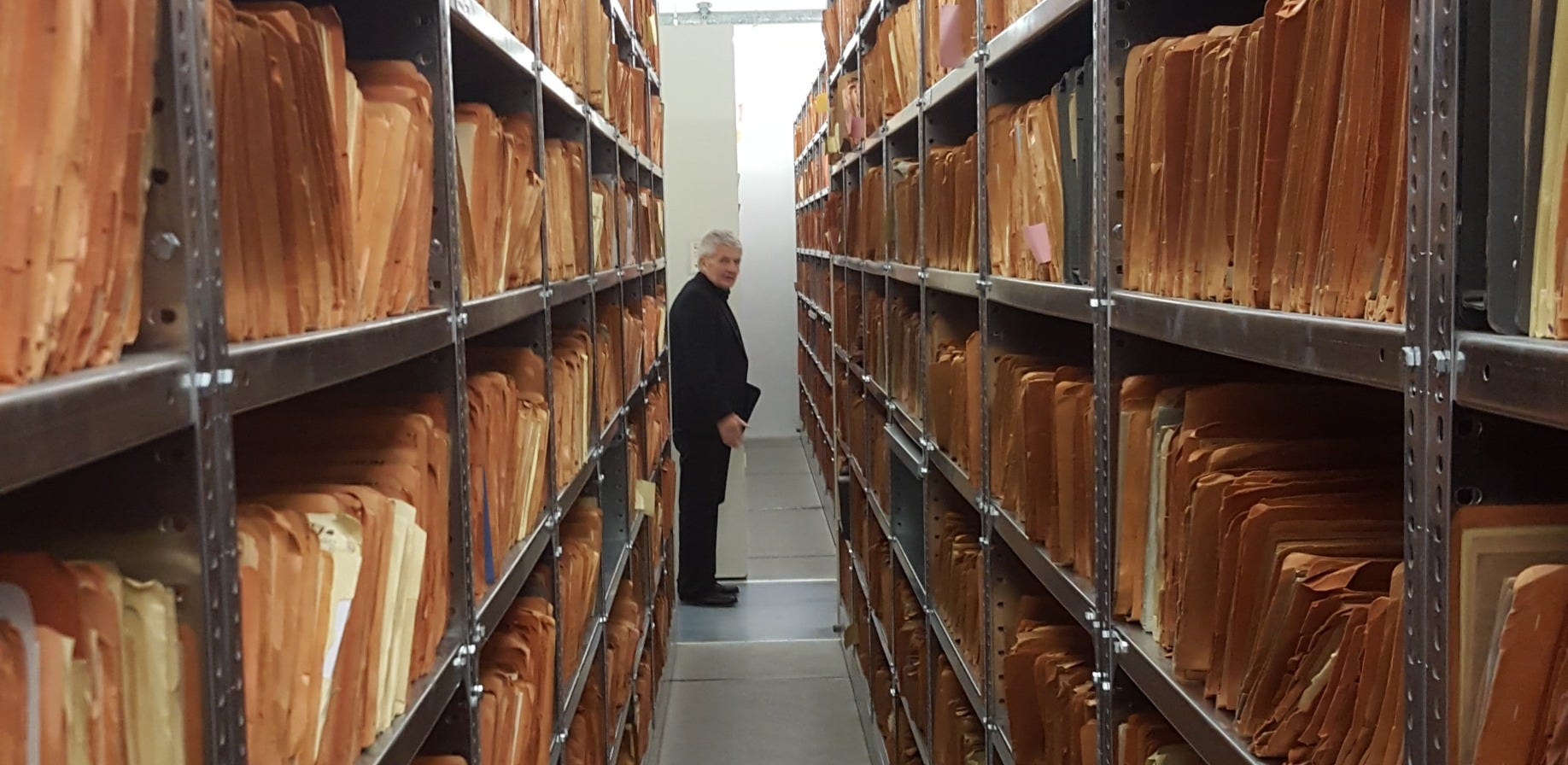
Information gathered by East Germany’s Ministry of State Security, better known as the Stasi, could be incredibly petty and mundane. Before researching for Beyond the Wall, I knew that the intelligence service and secret police of the GDR was an intrusive and seemingly insatiable machine, designed to monitor and control a population the regime never fully trusted. But I hadn’t quite appreciated the sheer scale of the operation and how much seemingly useless data it collected.
Museums, documentaries and history books tend to focus on the Stasi’s oppression of political opponents and on the way it identified and targeted those who tried to leave the country. But millions of people, including those who considered themselves largely apolitical, also had files that recorded the minutiae of their lives.
It felt incredibly intrusive to read the files of the people who kindly allowed me access to theirs while I researched my book. I learnt how often they took out the bins, what their love life was like or what hobbies they had — information that was often provided to the Stasi not by one of its 91,000 employees but by so-called unofficial collaborators or IMs — citizen spies.
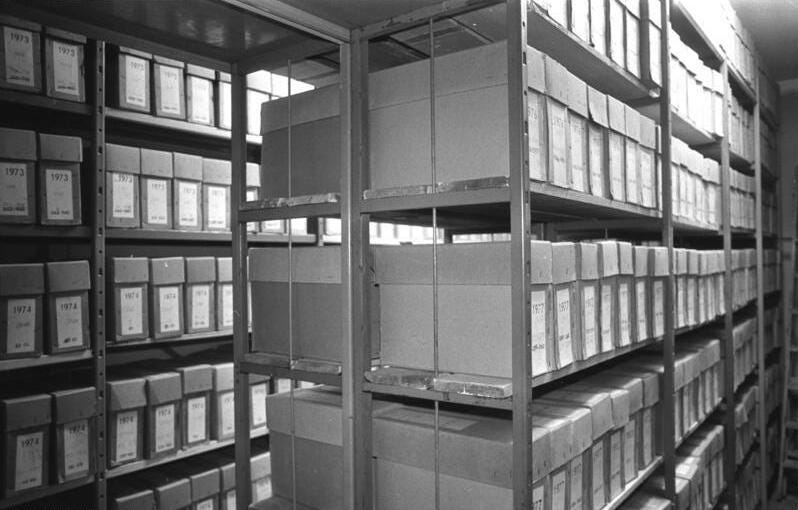
If there was a possibility that a colleague, a friend or even your spouse betrayed your confidence decades ago and passed on your innermost secrets to the state, would you want to know? That’s a question millions of Hungarians will ask themselves right now as their country’s secret police files have been released, 37 years after the fall of communism in Hungary.
Prime Minister Péter Magyar said this step was “long overdue”, but he also admitted that “many families will now face difficult information”. The experience of other former Soviet satellite states, including East Germany, shows that opening secret police files to the public can bring enormous political and social upheaval.