

“And now for something completely different.” I don’t know if you know this classic Monty Python catchphrase. In the TV sketches, John Cleese used to sit somewhere ridiculous, like a forest or a beach, at a desk, in a dinner jacket and say that line in a serious BBC sort of way before the show would start and the audience be exposed to the first absurd sketch.
The phrase sprang to mind earlier this week when I sat in the front row of one of Germany’s oldest cinemas, UT Connewitz in Leipzig, which began life in 1912. On stage, a man said something like: “And now for a short film about a Leipzig bakery entitled ‘People will always eat food’”. The room went dark, and 1980s-style synth music began to play. Then we saw Trabant cars whizzing through Leipzig. Loaves of bread being put into an oven. A room being tiled. More loaves of bread. More Trabants.
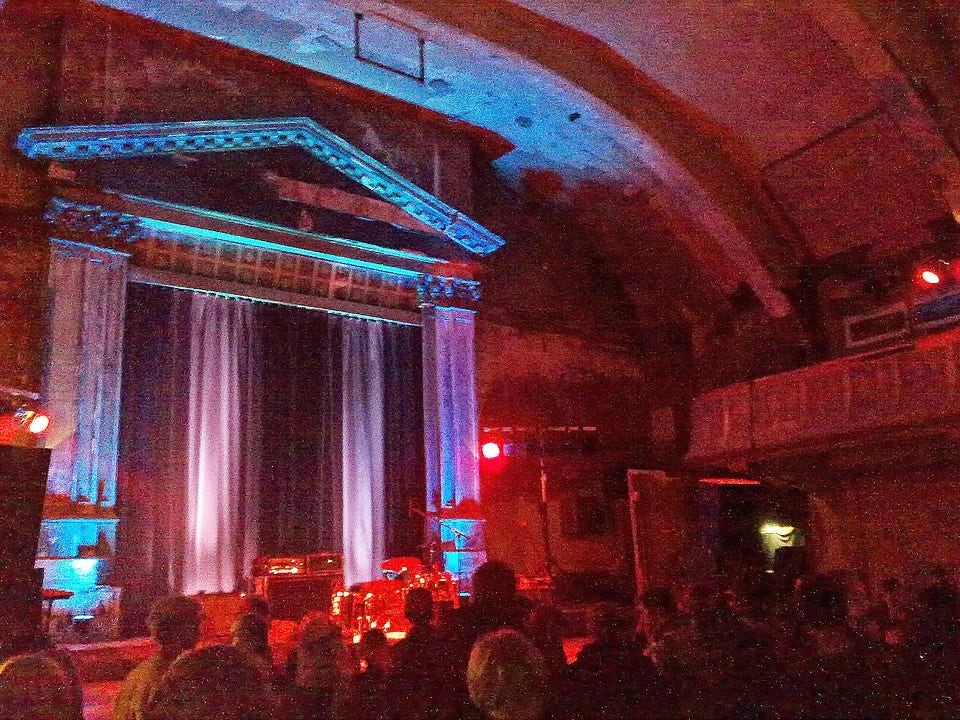
The situation seemed a little bizarre, but I ended up rather enjoying myself. The film was from the early 1990s and documented an independent Leipzig bakery’s struggle to operate under socialism and after the fall of the Berlin Wall, when supermarkets suddenly provided fierce competition.
It certainly was something completely different. That afternoon I’d been having coffee with some diplomats in Berlin who had questions about the Saxony-Anhalt election. A train and a tram ride later, I was sitting in an ancient cinema, watching a film about socialist buns.
When it had finished, it was time for the announcer to do it again. And now for something completely different. Here comes Katja Hoyer, all the way from England. She will tell us all about coffee plantations in Vietnam…
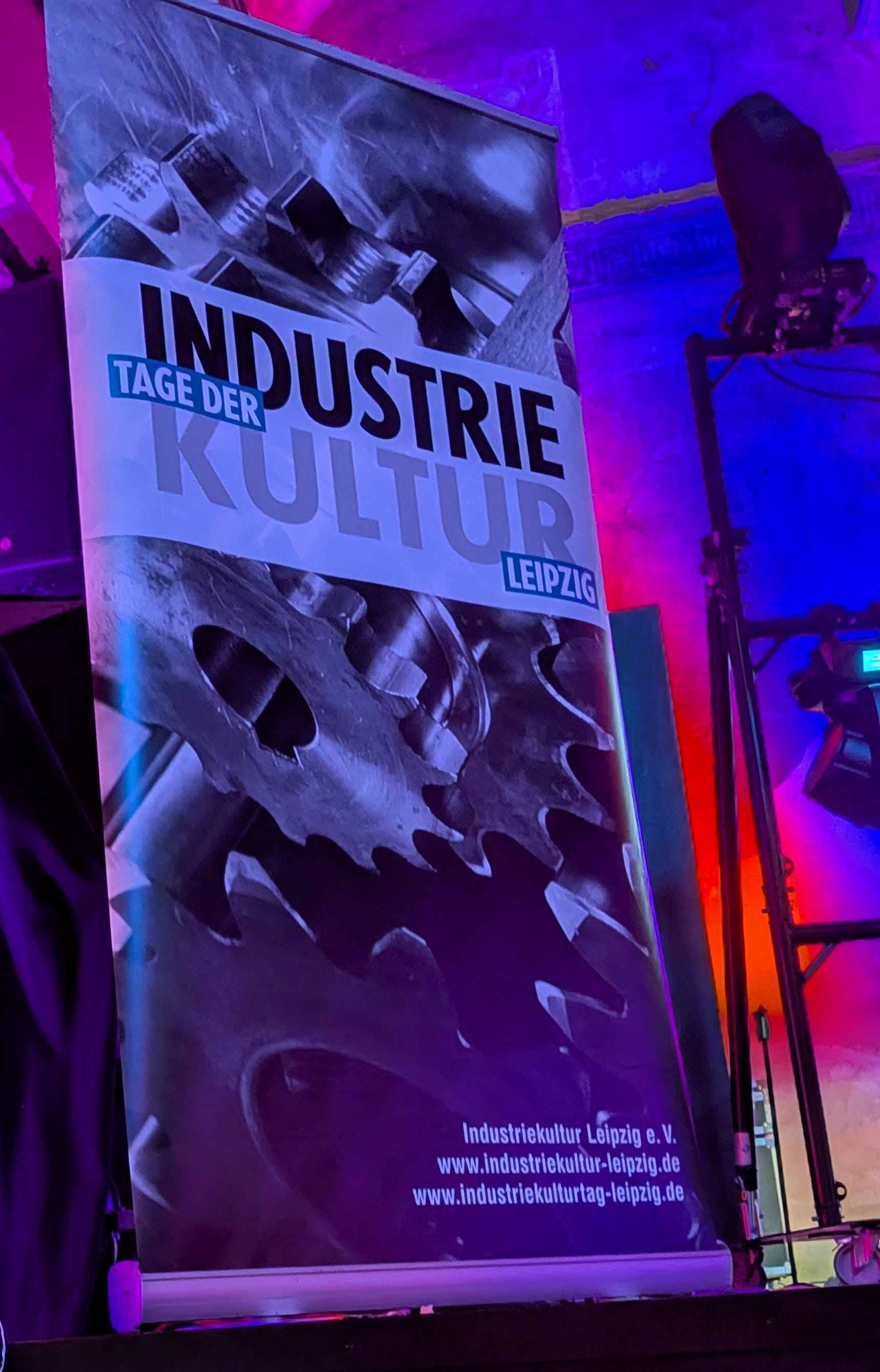
To give you some context: I was attending the opening of a week of events focusing on industrial culture. Leipzig has a long history as a hub of German industry in the East – one of the reasons it was heavily bombed in the Second World War – and currently there are some anxieties around deindustrialisation, even if Leipzig on the whole is thriving.
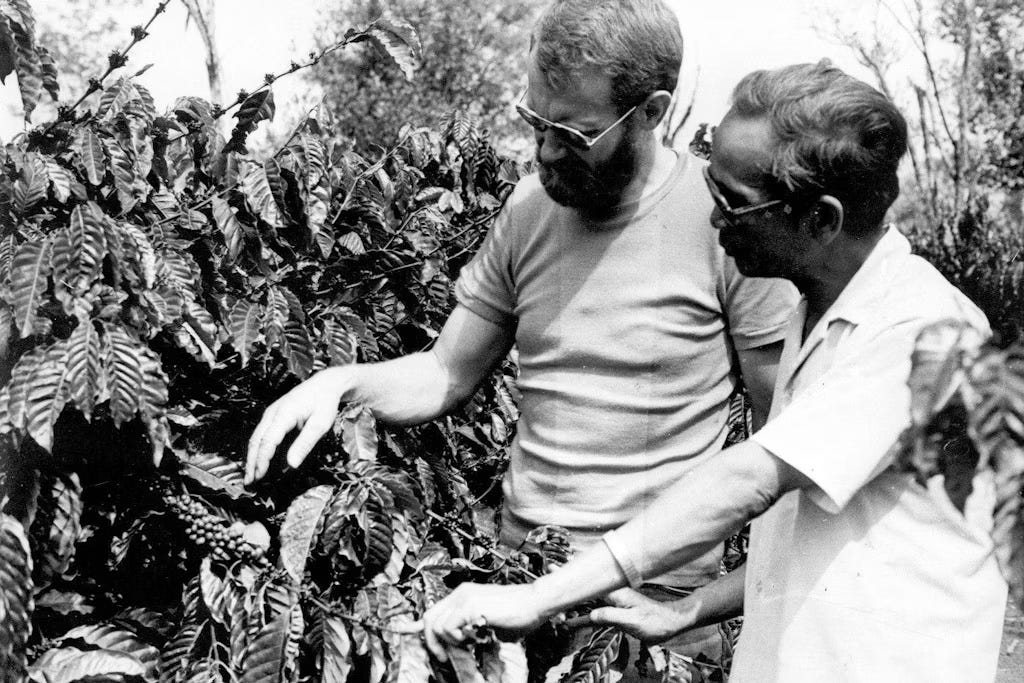
So my contribution to this event was to tell the story of how East German botanists, engineers and other specialists grew a highly successful coffee industry in Vietnam, which remains the world’s second-largest coffee producer today.
It’s a fascinating and undertold bit of history, and I was even more pleased to join a panel after my talk with two tropical plant experts who were in Vietnam in the 1980s to get the project going and one coffee merchant who sources his beans from Vietnam to this day. In fact, he was brewing coffee for us that evening, and the cinema smelled wonderful.
I won’t recount the full story here. There’s a whole chapter on it in Beyond the Wall if you’re interested, but in short:
The GDR always struggled to procure enough coffee for its population because, for climate reasons, it couldn’t grow its own and had to buy it on the world market. That not only cost money – in hard currency – but was also fraught with difficulty. For the first two post-war decades, West Germany attempted to isolate East Germany with the so-called Hallstein Doctrine, which amounted to a pretty solid trade embargo. Countries trading with East Germany risked the ire of the much more powerful West Germany, which saw this as an “unfriendly act”.
So that only left socialist countries to source coffee from, but the Soviet Union had decided to stop its coffee exports to the GDR in 1954. So the GDR regime had to buy it wherever it could and whatever the cost, spending around 150 million West German marks a year to do so. They also relied on West Germans sending their eastern pals and relatives coffee, which covered around a fifth of demand. For a long time that worked sort of okay. Coffee wasn’t always easy to get hold of. You might have to visit several shops or draw on some connections to get hold of some, but it was still proper coffee and by and large available.
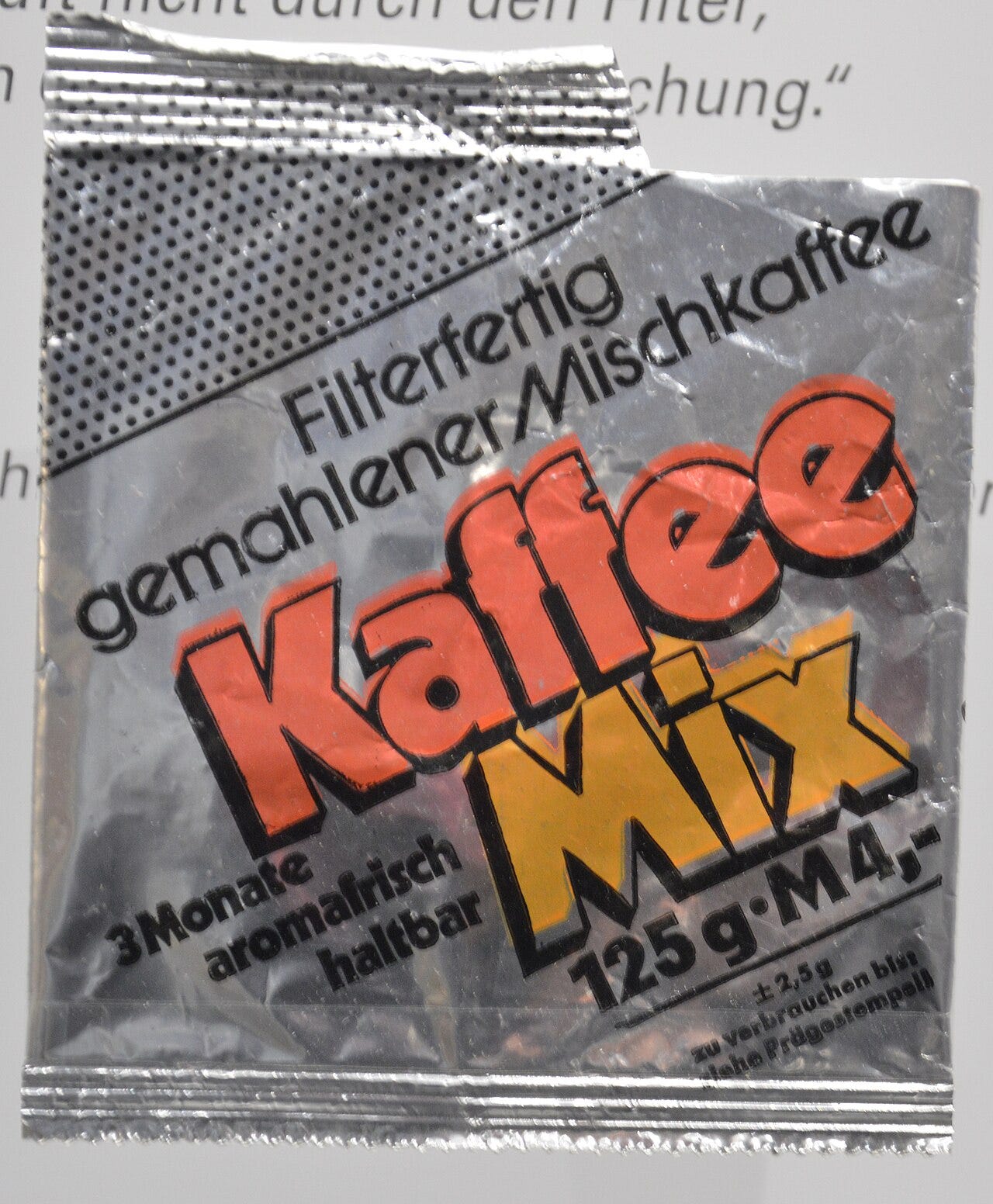
Then the coffee crisis of 1977 hit the world. Bad harvests in Brazil, combined with the oil crisis, created a perfect storm of global coffee shortages. Suddenly the GDR’s import costs more than quadrupled, and the situation was unsustainable. Famously, one solution was to offer the population terrible ersatz coffee made from 51 per cent coffee, 34 per cent rye-barley mix, 5 per cent chicory, 5 per cent sugar beet fibre and 5 per cent ground spelt. It was horrible, and people gave it all sorts of nicknames, including “Erich’s Brew” after leader Erich Honecker.
Given that the Vietnam War had ended and the last Americans left in 1975, leaving the country devastated but communist, there was an ideal opportunity here to grow real coffee in a “brother state”. Vietnam also desperately needed to rebuild and recover, and the GDR could help with that. A deal was struck in 1980.
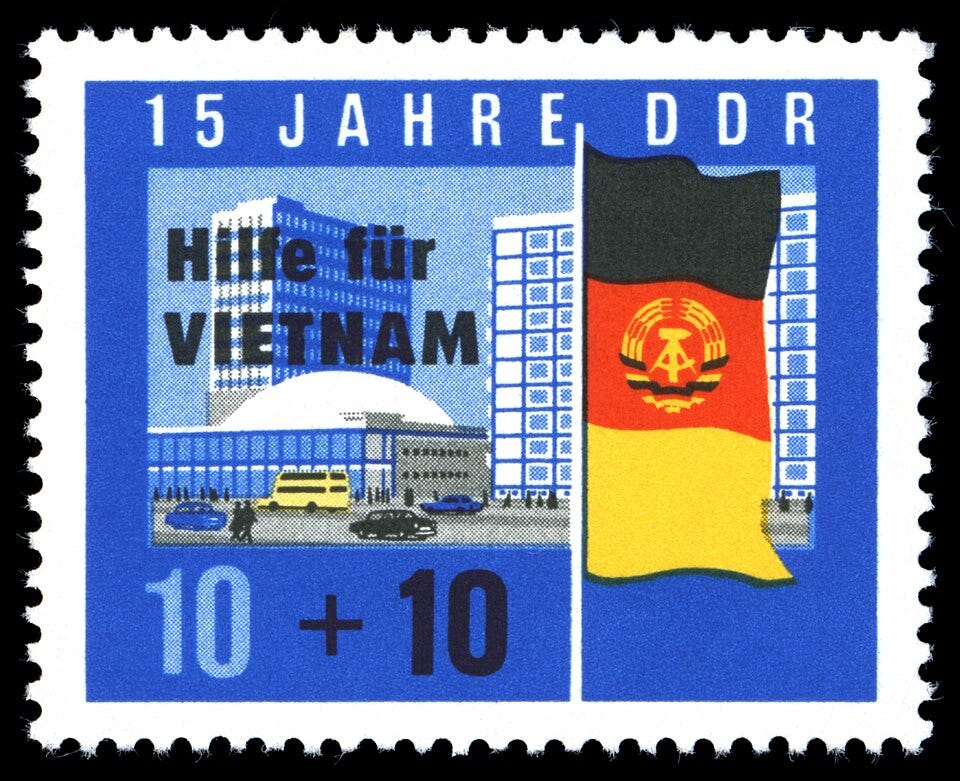
In Dak Lak province, 600 metres above sea level, 10,000 hectares were cleared for coffee plants. Machinery was delivered, and roads, settlements and schools were built for the 10,000 people who migrated from the coast to the mountain areas to work on the plantations.
East Germany sent lorries, farm machinery and equipment to install complex irrigation systems. In Dray H’Linh, a hydropower plant was built, costing the equivalent of $20 million. In exchange for this enormous aid package, the GDR was to receive half of Vietnam’s coffee production for twenty years.
This project was hugely successful. Vietnam is now a leading coffee producer with only 6 per cent of the yield used internally, while the rest is exported at an estimated annual worth of $3 billion. East Germany stood to gain half of this – enough to satisfy its own demand and create additional revenue through exports – but coffee plants take years to mature and produce their beans. The first proper harvest of the East German coffee project in Vietnam only came in 1990 – too late for the GDR, which ceased to exist in the same year.
I think it’s because of this that we don’t really tell this story. Do so, as I do in my book, and you get accused of glorifying the East German regime. So I found it fascinating to talk that evening in Leipzig to two of the experts who were there.
One of them, a highly specialised engineer, felt particularly aggrieved about how skills and the rigour of their research were treated with contempt after the fall of the Wall. He had by no means been a meek supporter of the regime, having been deemed “politically unreliable” in his youth, and his contempt for the East German leaders still came through strongly now. But he also said scientific research and education in the GDR were top-notch, at least in his field. That’s why they were able to build that coffee industry in Vietnam when others who had tried – for example, the French and the Soviets – had not been anywhere near this successful.
His colleague, also on the stage in Leipzig, still works in this field today despite being well over 70 years old. Private companies value his unique expertise. He’s worked in South America and more recently in Angola to help build and optimise coffee plantations there. I could have listened to him for hours as he explained the conditions the plants require, but also how you build a truly local industry by training workers and specialists in situ, creating a socially and economically sustainable model.
In Vietnam, this involved building things like schools, roads and housing alongside what’s strictly necessary to grow coffee. The third man on the stage confirmed that these things are all still up and running in Vietnam today, where he lives for much of the year while growing and importing coffee for his roastery in Leipzig.
All three men also told fascinating stories about their interactions with the Vietnamese population. Due to the huge losses among the male population in the Vietnam War, but also due to socialist ideology, there were far more female workers on the plantations than one might expect.
When I asked the men about that, all three stressed that women were regarded as equals. That could mean anything from moving heavy sacks of coffee beans the same as men to being highly trained and specialised as female engineers, botanists and plant managers. The guy who’s currently growing coffee in Vietnam said that this hasn’t changed. Many women still work in the field today. Equally, both the GDR and Vietnam tried to discourage relationships between their respective workers. If an East German was found to have entered into a relationship with a Vietnamese partner, they would be sent home.
There were plenty of fascinating anecdotes – too many to recount here. Suffice to say that I found them so fascinating that I carried on chatting long after the official talk had finished, only getting back to my hotel at 1 am in the morning.
Another aspect I hadn’t previously considered was that the GDR also grew and imported spices in partnership with Vietnam, especially black pepper, as part of the same 1980 trade agreement. When we got to the Q&A segment of the evening, a lady in the audience stood up and said she was also an East German botanist specialising in spice plants, and that she’d been sent to Vietnam to help with the pepper industry there. The same applied to black tea.
If I needed a reminder that history is always complicated, there are worse ways to learn it than with a cup of steaming Vietnamese coffee in a historical cinema in Leipzig, chatting with a group of people with fascinating stories to tell.
This is one of the many reasons why I’ve fought for a more open-minded approach to GDR history. If we step away for a minute from simply wanting to use that history for educational and political purposes, then we have a chance to discover the many rich and highly consequential things that happened in those forty years between 1949 and 1989. That isn’t relativising the inhumanity of the Berlin Wall or the oppression and surveillance of the Stasi. It’s a way to understand the world as it is today, in all its complexity.
“ersatz” as applied to coffee was my first German word fwiw!
Excellent article. The chapter in ‘Beyond the Wall’ also first put me on to the glories of Vietnamese coffee. So thank for both.